
Essential Oils, Pregnancy, Children and Pets
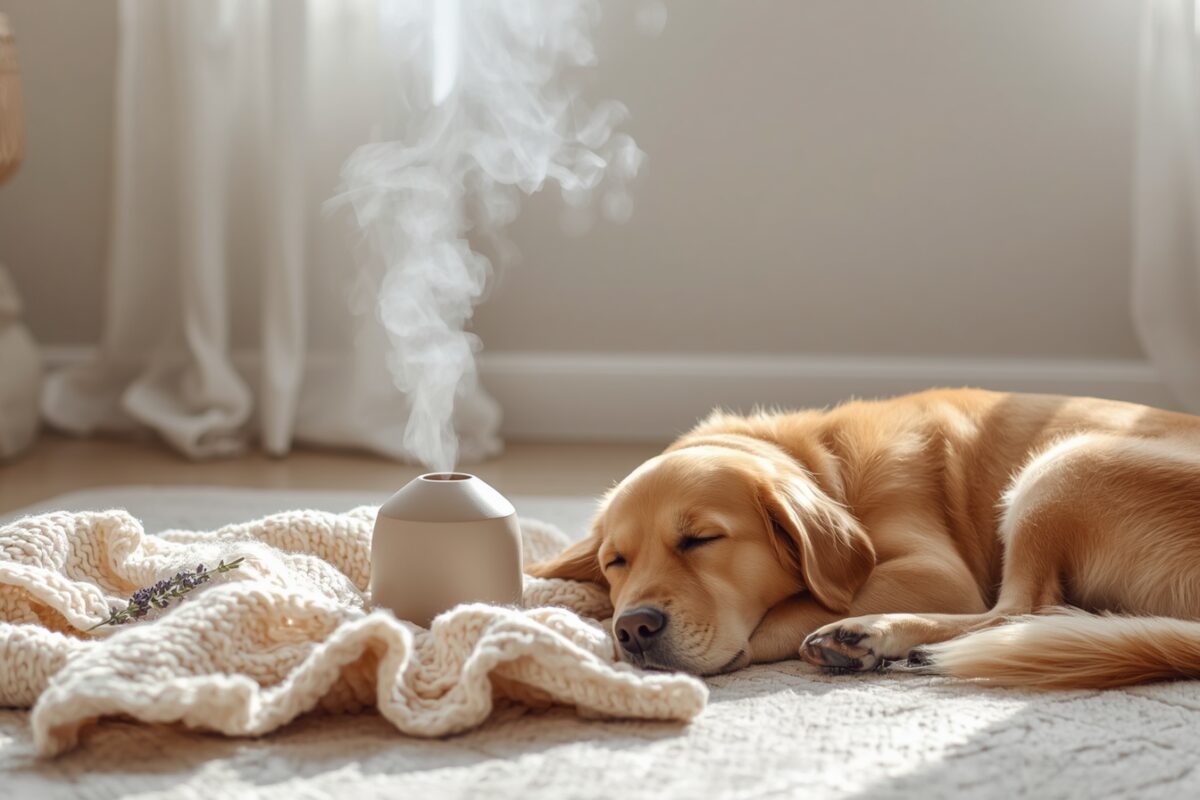
Some people in our homes are more sensitive to essential oils than healthy adults: pregnant and nursing women, babies and children, and our pets. A gentler approach is needed for all of them.
Pregnancy and breastfeeding
- Many practitioners advise avoiding essential oils in the first trimester and using them only sparingly and well diluted (1% or less) afterwards.
- Oils commonly listed as ones to avoid in pregnancy include clary sage, rosemary, sage, hyssop, wormwood, pennyroyal, juniper berry, basil, cinnamon and fennel, among others.
- Gentle options sometimes used after the first trimester include lavender, mandarin and sweet orange, always in low dilution.
- Check with your doctor or midwife before using any oil during pregnancy, while nursing, or if you have a medical condition.
Babies and children
- For babies under three months, most aromatherapists recommend no essential oils at all. Water-based products such as a floral water (hydrosol) are gentler.
- For children, use very low dilutions (0.25% to 1%), depending on age, and choose mild oils such as lavender, Roman chamomile and mandarin.
- Avoid peppermint, eucalyptus and other oils high in menthol or 1,8-cineole near the face of babies and young children, as they can affect breathing.
- Keep all essential oil bottles in a locked cupboard. Swallowing even a small amount can be dangerous: call poison control or emergency services right away.
Cats, dogs and other pets
- Cats are especially sensitive because they cannot process many compounds in essential oils. Do not diffuse oils in a closed space with a cat, and never apply oils to them.
- Tea tree, pennyroyal, citrus, pine, wintergreen, eucalyptus and ylang ylang are among the oils reported to be harmful to pets.
- If you diffuse, use a small amount for a short time in a large, ventilated room, and let any animal leave the room freely.
- Birds, rabbits, guinea pigs and small pets have delicate respiratory systems: avoid diffusing around them.
- If a pet shows drooling, vomiting, wobbling, laboured breathing or lethargy, contact a veterinarian immediately.
The safest approach
When in doubt, leave it out. Open a window, use a plain diffuser for a short time, and choose mild, well-diluted blends. See our Essential Oil Dilution Guide.
This article is for general information and education only. It is not medical advice. See our Health Disclaimer and consult a qualified health professional for any medical concern.
Comments