
Essential Oil Dilution Guide
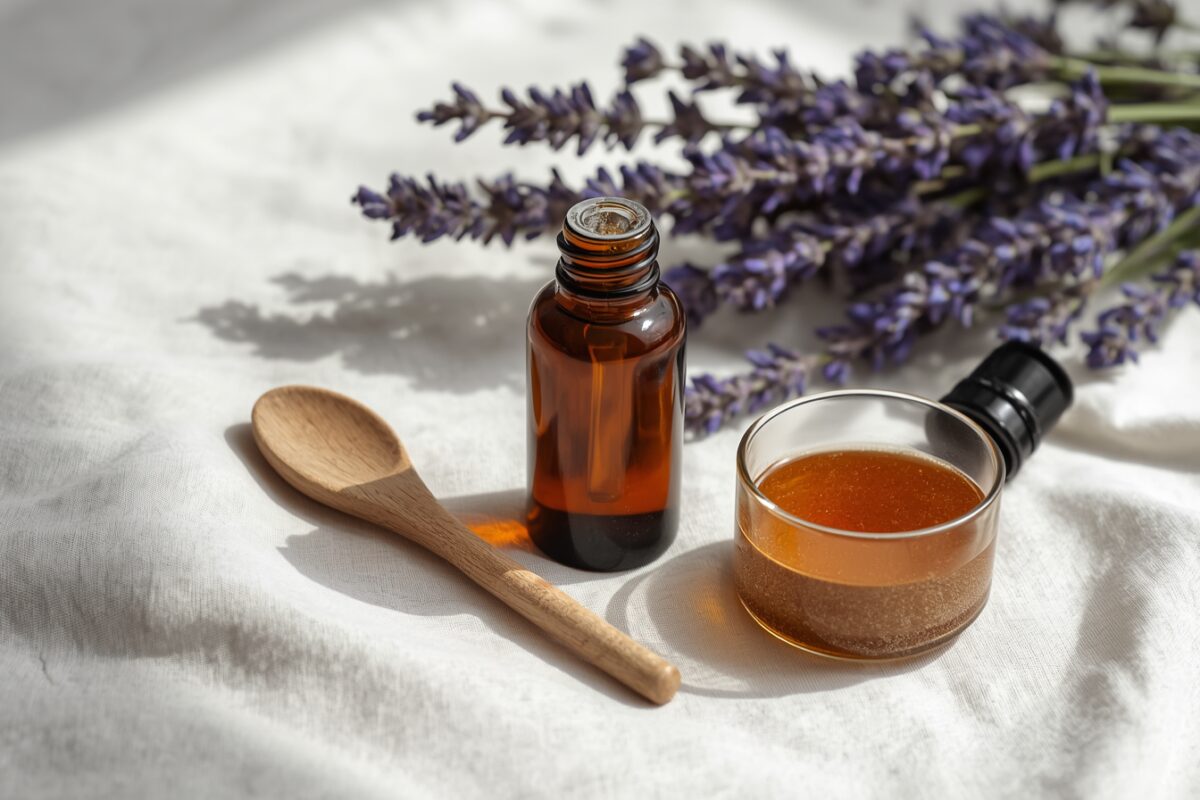
Essential oils are highly concentrated plant extracts. Applied undiluted, many can irritate the skin or trigger sensitivity that develops over time. Dilution in a carrier oil, lotion or unscented base is the single most important safety step in aromatherapy.
Why dilute?
A carrier oil such as sweet almond, jojoba or fractionated coconut spreads the essential oil over a larger area, slows its absorption and lowers the chance of a reaction. It also makes a little oil go a long way.
General dilution rates
- 0.5% to 1% (about 3 to 6 drops per 30 ml / 1 oz): the gentlest range, used for the face, sensitive skin, the elderly and anyone frail or unwell.
- 2% (about 12 drops per 30 ml): a common everyday adult strength for massage oils and body blends.
- 3% to 5% (about 18 to 30 drops per 30 ml): short-term use on a small area, such as a localized muscle blend. Not for whole-body or long-term use.
Drop sizes vary, so treat these figures as a guide. When in doubt, use less.
Making a blend
- Pour the carrier oil into a clean amber or dark glass bottle.
- Add the essential oil drops.
- Cap, label with the ingredients and date, and gently roll to mix.
- Store away from heat and light and use within a few months.
Do a patch test first
Mix one drop of the essential oil into a teaspoon of carrier oil and dab a small amount on the inner forearm. Cover with a bandage and wait 24 hours. Rinse and stop using the blend if you see redness, itching or swelling.
Oils that need extra care
Some oils are more likely to irritate (for example cinnamon bark, clove, oregano and thyme) and should be used only at very low dilutions, or avoided. Citrus oils such as bergamot, lemon and grapefruit can cause skin photosensitivity: avoid direct sun or tanning beds for 12 to 24 hours after applying a blend containing them. See Essential Oils To Avoid at All Times and Safe Use of Essential Oils.
If you get a reaction
Do not rinse with water, which can spread the oil. Apply more carrier oil, olive oil or plain vegetable oil to the area to dilute it, then wash gently with mild soap. Seek medical help for a severe reaction, swallowing, or any contact with the eyes that does not settle.
This article is for general information and education only. It is not medical advice. See our Health Disclaimer and consult a qualified health professional for any medical concern.
Comments