
Essential Oil Profiles

The essence of a plant acts as a natural defense mechanism; it protects the plant from bacteria, fungi, pests, heat and cold. In fact, the essence of a plant actively participates in the plant’s development. There are no two plants that smell exactly alike and the properties of each are unique, which is why the essential oils derived from these plants offer so many benefits.
Basil
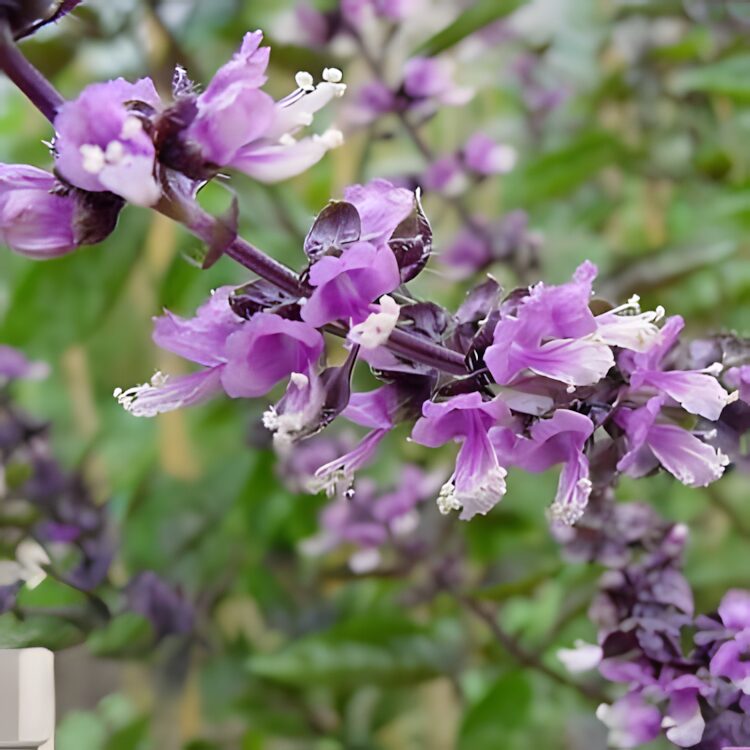
In Italy, basil symbolizes love; women put a pot of basil outside their window when they are ready for romance...
Bay (Sweet)
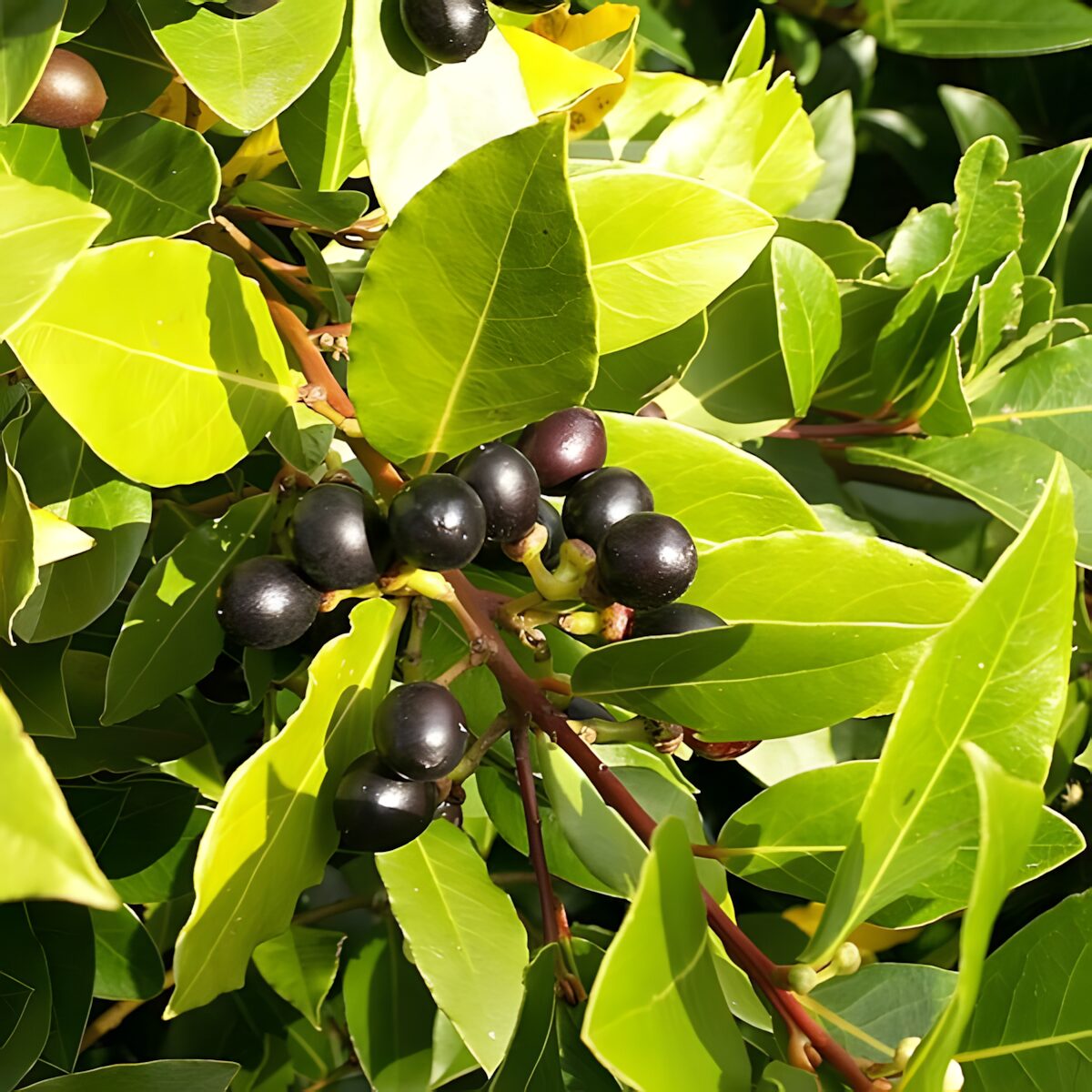
During outbreaks of the plague in Rome, people were advised to live in the vicinity of bay trees...
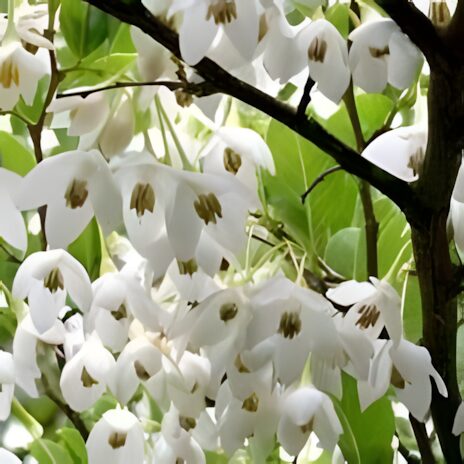
Bergamot
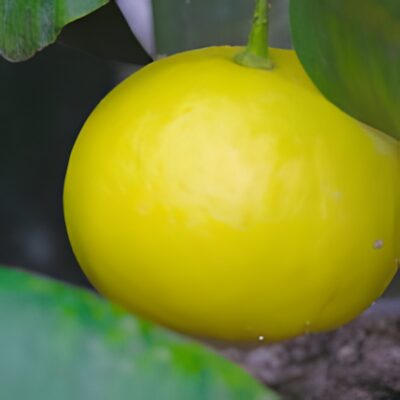
The bergamot fruit should not be confused with an herb in the mint family, monarda, which is also known as bergamot ...
Black Pepper
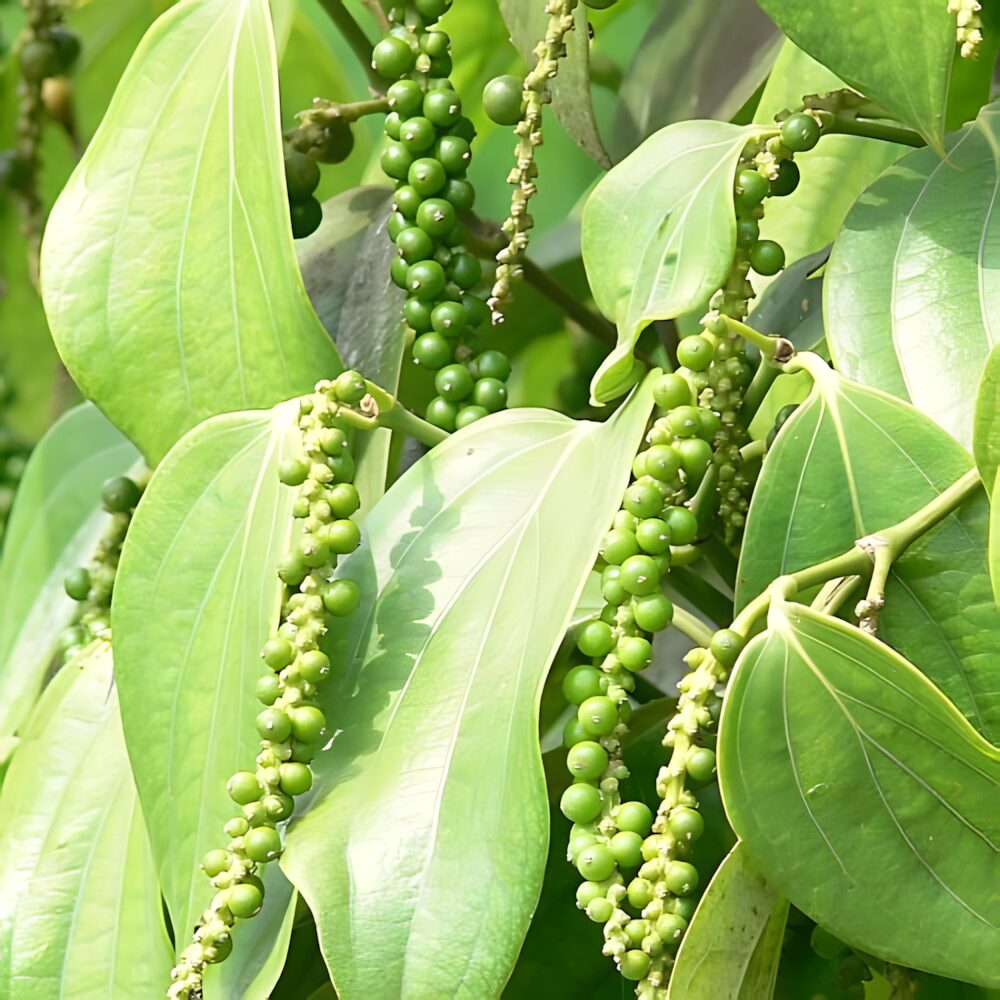
During the Middle Ages, pepper was the most important commodity traded between India and Europe. Rents and taxes were frequently paid with pepper...
Cajeput
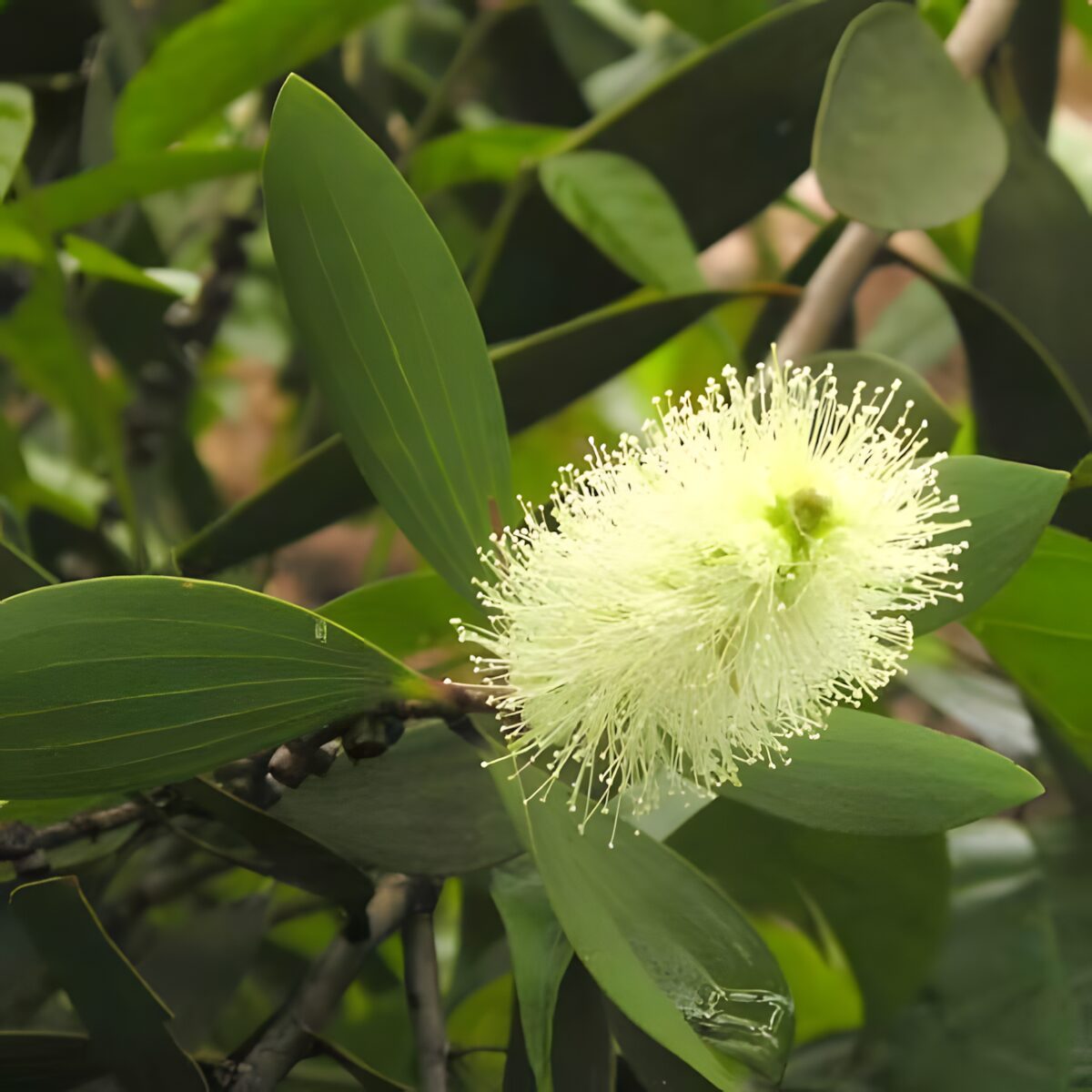
In Malaysia and Java, cajeput oil was a traditional remedy for cholera and muscle and joint pains. In Africa and Asia, the oil is used as an insecticide and parasiticide...
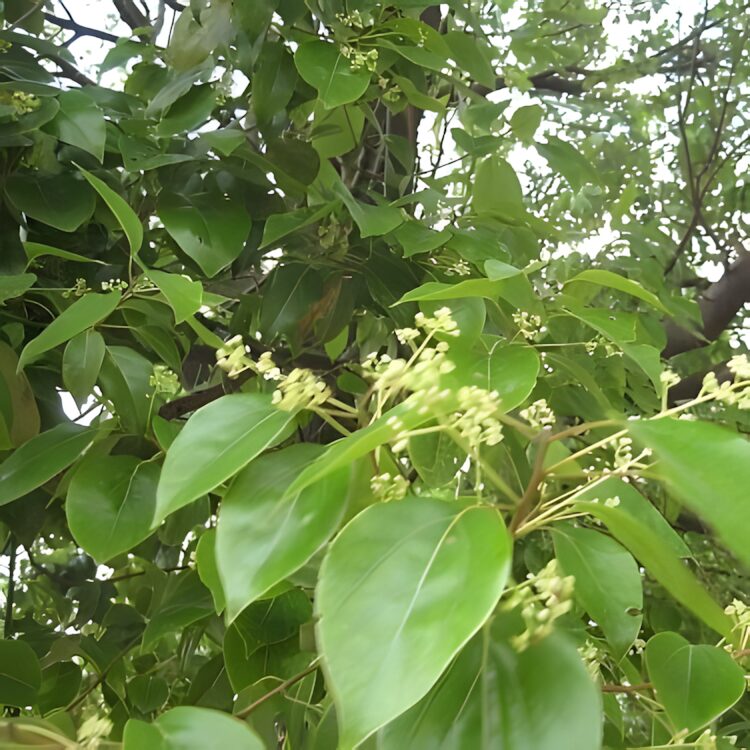
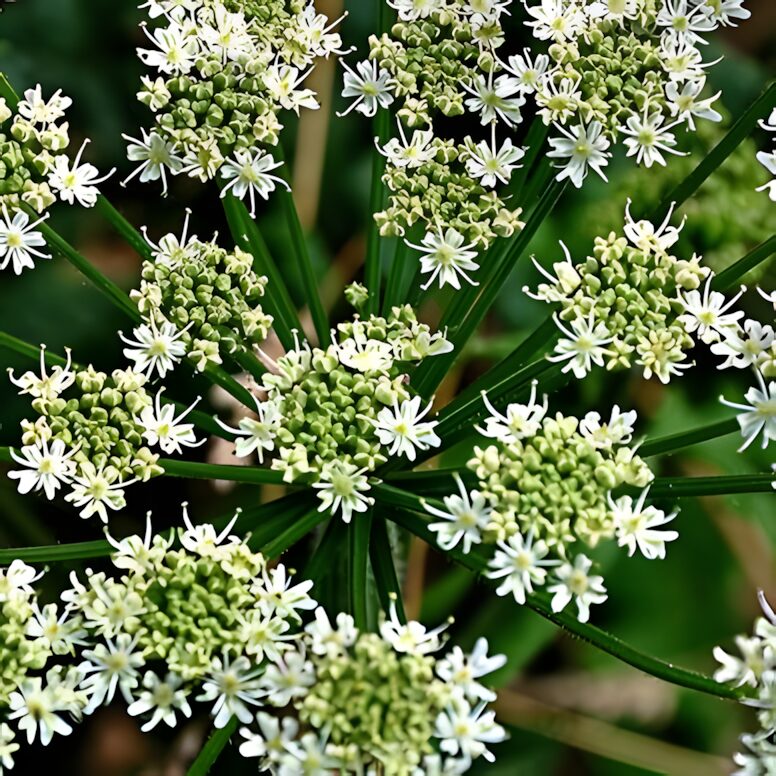
Cedarwood
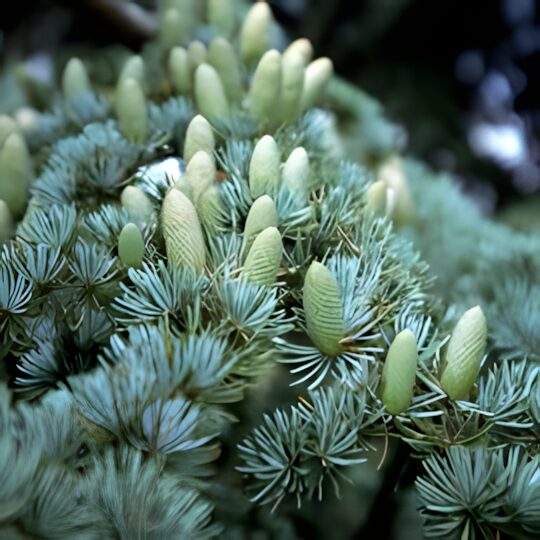
The American Indians burned the twigs and inhaled the smoke to relieve head colds and chest congestion...
Chamomile, Roman

The Egyptian sages dedicated the plant to the sun for its ability to reduce fevers...
Cinnamon Leaf

Cinnamon was one of the most expensive gifts among royalty and the privileged upper class in Europe...