
Petitgrain
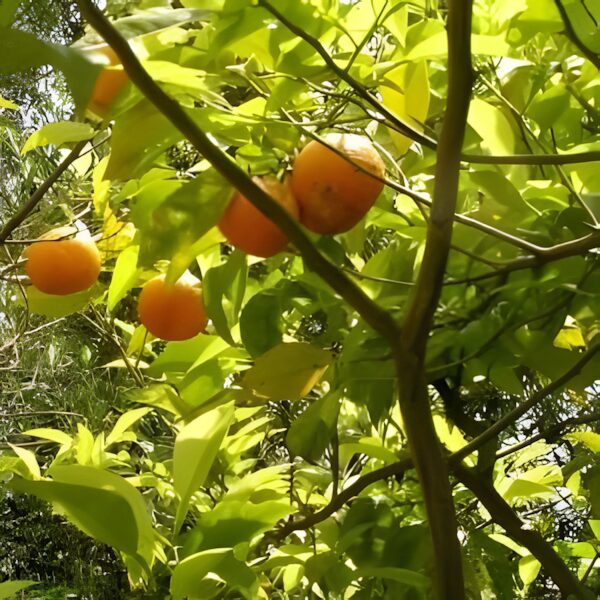
At one time the oil was extracted from the green unripe oranges when they were still the size of a cherry – hence the name petitgrains, or “little grains”…
Citrus aurantium
Note: Middle – 20
Parts Used: leaves and twigs of tree
Source: steam distillation of the leaves and twigs of the bitter orange tree native to southern China and north-east India. Most of the oil is produced in France. Some essential oil sources are extracted from the leaves of Orange trees in South America.
Description and Odor Effect: a pale yellow liquid with a fresh, woody, bitter-sweet scent reminiscent of neroli, but less refined. Its odor effect is refreshing and uplifting.
Nature: uplifting, refreshing
Blends well with: bergamot, cedarwood, clary sage, clove, cypress, jasmine, neroli, rose, sage, vetivert
Physical Uses: Petitgrain is used in skin and hair care; it soothes inflamed and irritated skin tissue and has deodorant properties. It is a stomachic, and aids in indigestion and flatulence.
Mental and Emotional Uses: The scent of petitgrain is light and bright, and brings about clarity of mind and cheerfulness. It is helpful for nervous exhaustion and stress-related disorders.
Caution: Powerful oil, dilute well.
Therapeutic Uses: antidepressant, antiseptic, antispasmodic, antistress, astringent, calmative, deodorant, digestive, fixative, nervine, refreshing, sedative, stimulant (digestive system), stomachic, tonic, uplifting
Application: massage, bath, diffuser, inhalation, air spray
Keyword: Clarity
Petitgrain Magic: Traditionally used to ward off physical threats.
Petitgrain Harmony
Add these essential oils to 20 ml / 4 teaspoons carrier oil
To tone oily or combination skin:
- 4 drops Petitgrain
- 4 drops Australian Sandalwood
- 2 drops Ylang Ylang
Comments