
Dirty Dozen
1. BHA and BHT
BHA (butylated hydroxyanisole) and BHT (butylated hydroxytoluene) are closely related synthetic antioxidants used as preservatives in lipsticks and moisturizers, among other cosmetics. They are also widely used as food preservatives.
11. Sodium laureth sulfate
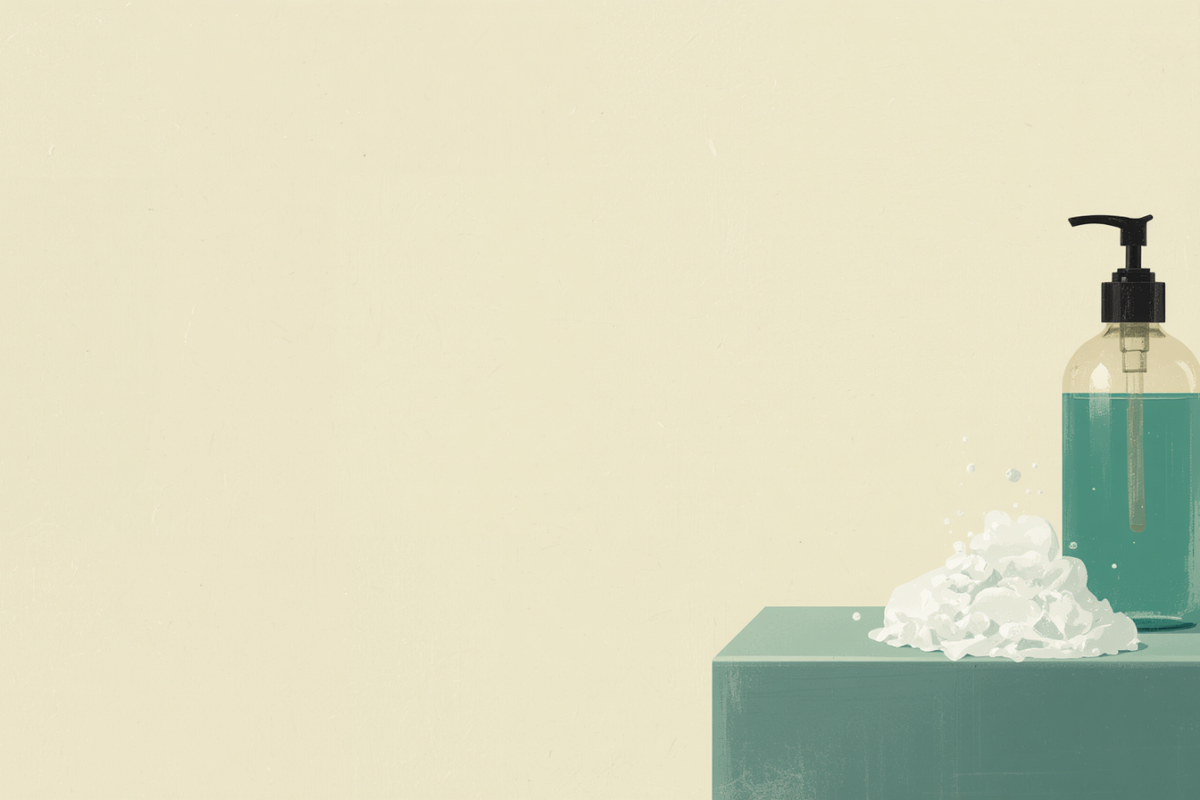
Sodium laureth sulfate (sometimes referred to as SLS) is used in cosmetics as a detergent and also to make products bubble and foam. It is common in shampoos, shower gels and facial cleansers. It is also found in ...
12. Triclosan
Triclosan is used mainly in antiperspirants/deodorants, cleansers, and hand sanitizers as a preservative and an anti-bacterial agent. In addition to cosmetics, triclosan is also used as an antibacterial agent in laundry detergent, facial tissues, and antiseptics for wounds, ...
3. DEA-related ingredients
DEA (diethanolamine) and DEA compounds are used to make cosmetics creamy or sudsy. DEA also acts as a pH adjuster, counteracting the acidity of other ingredients. DEA is mainly found in moisturizers and sunscreens, while cocamide and lauramide ...
4. Dibutyl phthalate
Dibutyl phthalate (pronounced thal-ate), or DBP, is used mainly in nail products as a solvent for dyes and as a plasticizer that prevents nail polishes from becoming brittle. Phthalates are also used as fragrance ingredients in many other ...
5. Formaldehyde-releasing preservatives
DMDM hydantoin, diazolidinyl urea, imidazolidinyl urea, methenamine, quaternium-15, and sodium hydroxymethylglycinate
6. Parabens
Parabens are the most widely used preservative in cosmetics. They are also used as fragrance ingredients, but consumers won't find that listed on the label. Fragrance recipes are considered trade secrets, so manufacturers are not required to disclose ...
7. Parfum (a.k.a. fragrance)
Fragrance is an obvious ingredient in perfumes, colognes, and deodorants, but it’s used in nearly every type of personal care product. Credit: blue celt via Flickr.
8. PEG compounds
PEGs (polyethylene glycols) are petroleum-based compounds that are widely used in cosmetics as thickeners, solvents, softeners, and moisture-carriers. PEGs are commonly used as cosmetic cream bases. They are also used in pharmaceuticals as laxatives.
9. Petrolatum
Petrolatum is mineral oil jelly (i.e. petroleum jelly). It is used as a barrier to lock moisture in the skin in a variety of moisturizers and also in hair care products to make your hair shine.