
Essential Oil Profiles
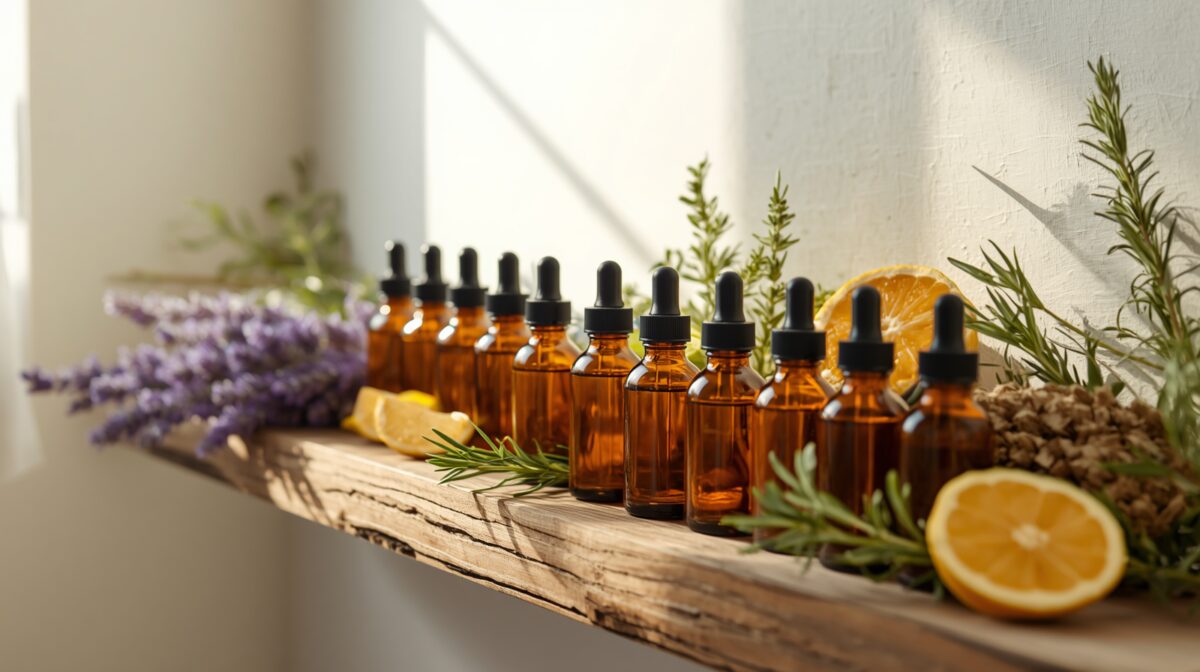
The essence of a plant acts as a natural defense mechanism; it protects the plant from bacteria, fungi, pests, heat and cold. In fact, the essence of a plant actively participates in the plant’s development. There are no two plants that smell exactly alike and the properties of each are unique, which is why the essential oils derived from these plants offer so many benefits.
Patchouli
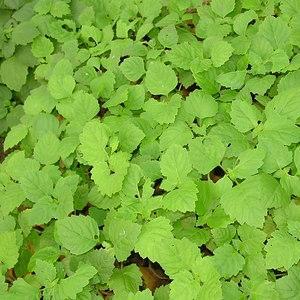
Because the oil makes a great base note, it is used in more than one out of three perfume blends...
Peppermint
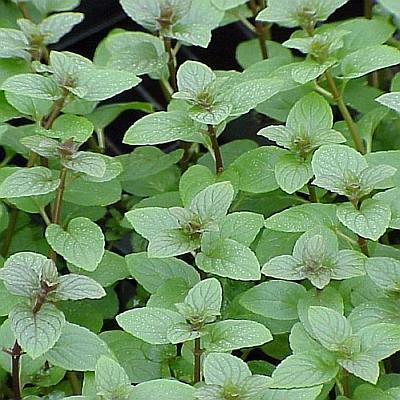
Peppermint is a cross between a number of wild mints. The true peppermint plant cannot reproduce, so propagation through the root system below the soil is needed...
Petitgrain
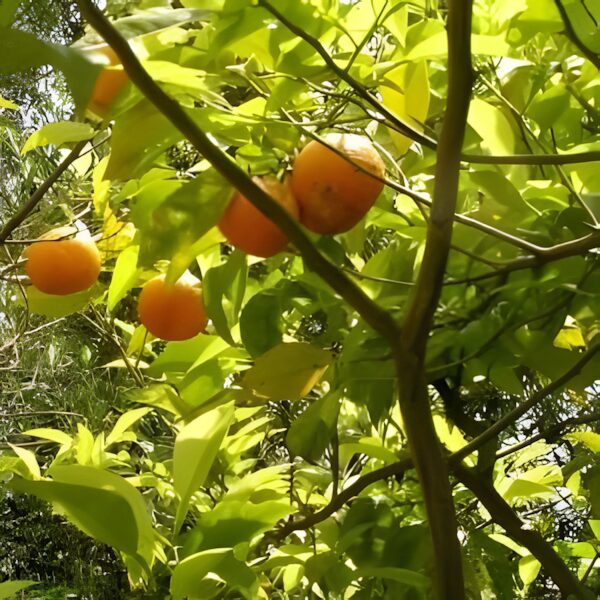
At one time the oil was extracted from the green unripe oranges when they were still the size of a cherry - hence the name petitgrains, or "little grains"...
Pine (Scotch)
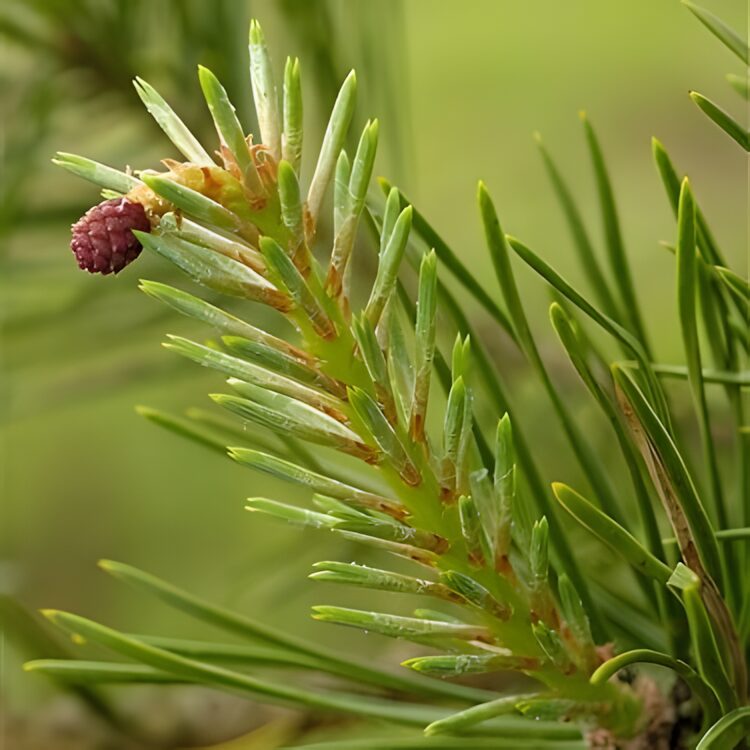
Turpentine, the largest produced oil in the United States, is extracted from lumber byproducts of the pine tree...
Rose, Cabbage
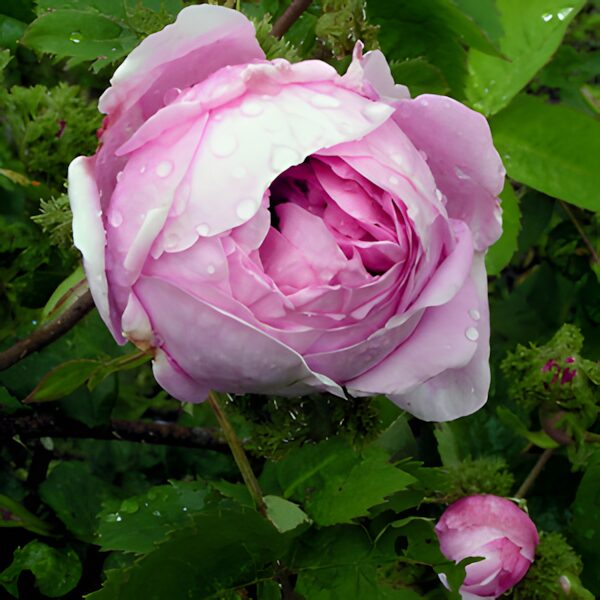
The fragrance symbolizes the love and beauty that was offered to the kings and gods. Cleopatra strewed red rose petals to a height of 18 inches when she first met Mark Anthony...
Rose, Damask
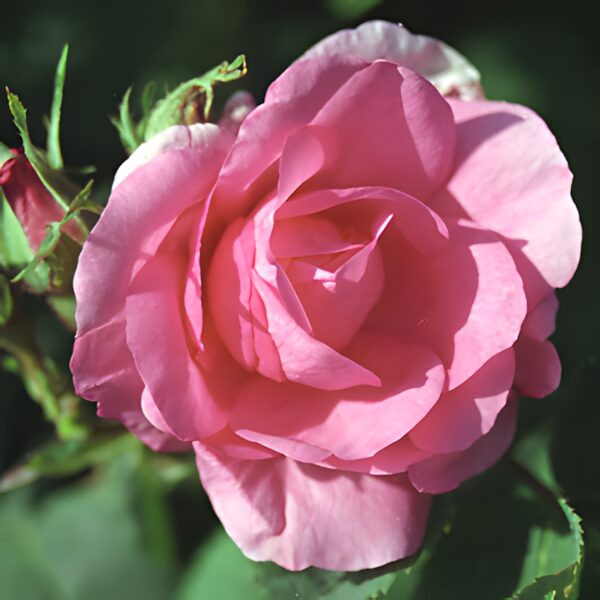
The Romans greatly favored the rose and introduced its use to all the people they conquered...
Rosemary
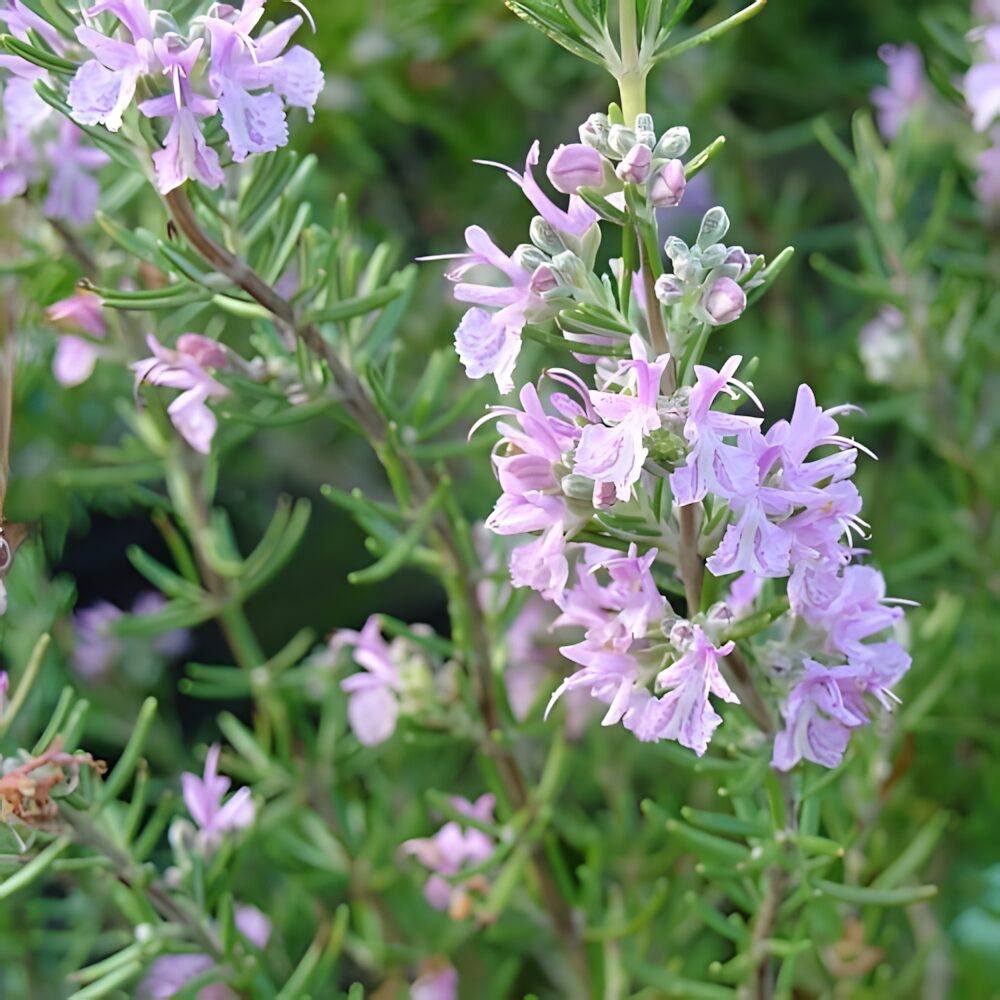
Brides wore rosemary wreaths and carried rosemary bouquets to show that they would always remember their families...
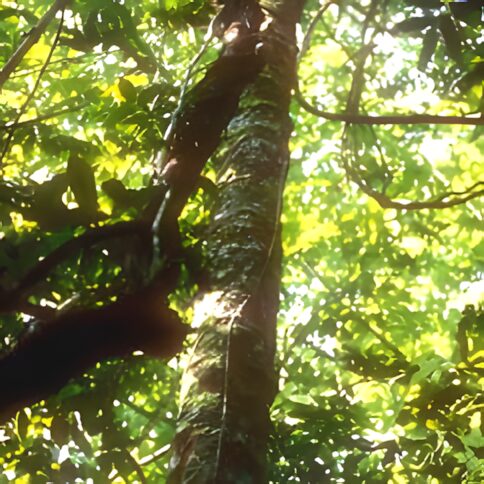
Sage, Spanish
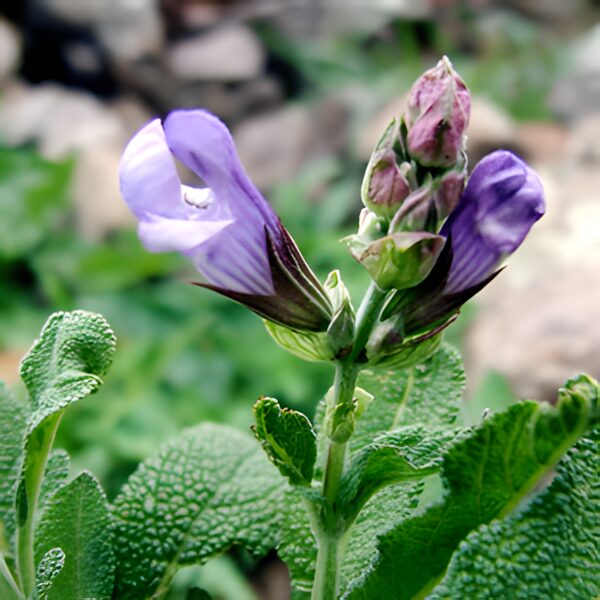
Sage was asociated with wisdom and consumed regularly with the belief that it made one wise and strengthened the memory...
Sandalwood
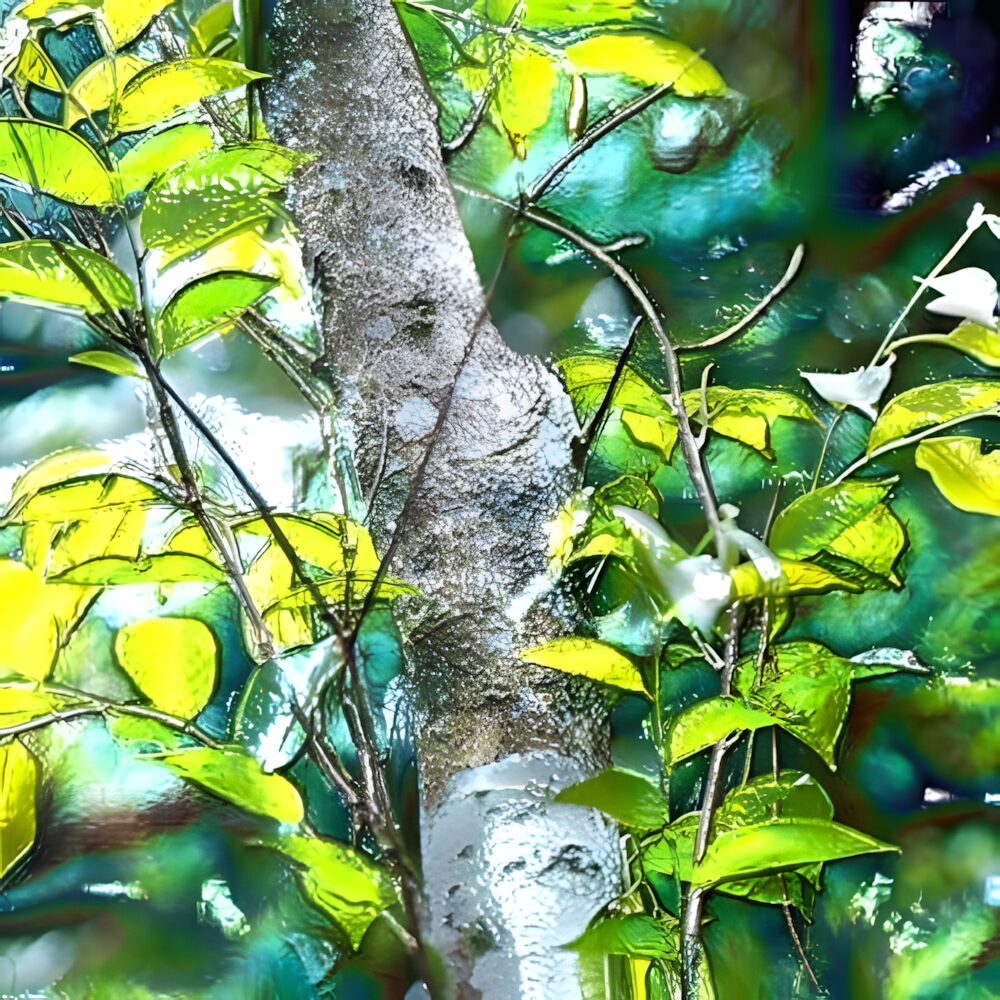
Today the Indian government owns all the sandalwood trees grown in India to keep them from extinction...
Tea Tree
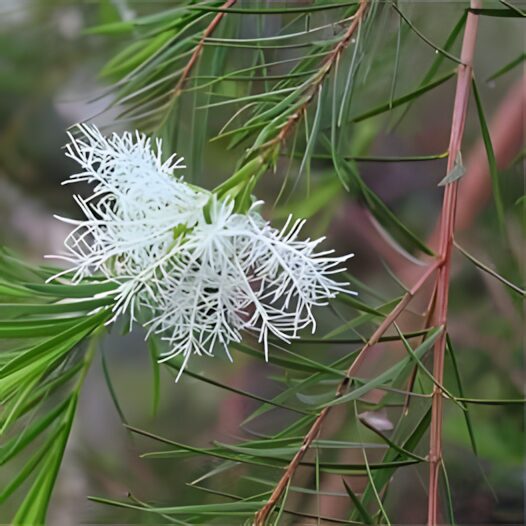
Tea tree was discovered during the expedition of Captain Cook in 1770. The crew members enjoyed drinking a tea brewed from the leaves...
Thyme
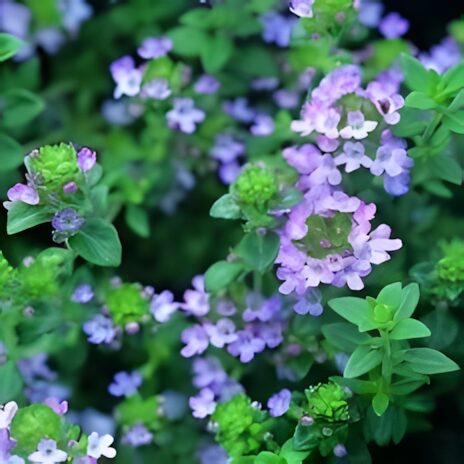
The thymus gland was named after the botanical name thymus, because the gland's appearance resembled the thyme flower...