
Aromatherapy Gifts to Make at Home
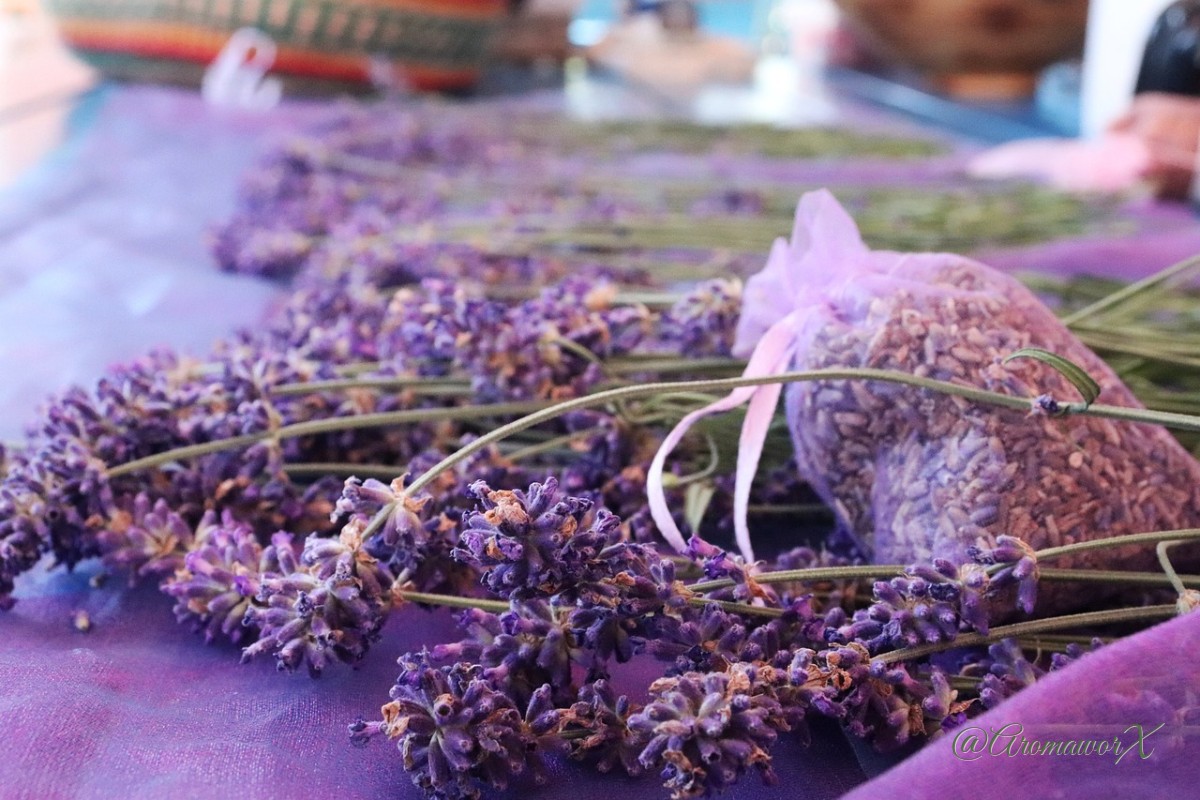
With the first snow settling in and the holidays a few weeks off, many of us start thinking about handmade gifts. A jar of scented bath salts or a little lavender sachet feels personal in a way a rushed store purchase rarely does. It also costs very little and uses things you may already have in the cupboard.
There is one catch. Essential oils are concentrated, and a gift goes into someone else’s home, where there may be a baby, a cat, a pregnant sister or a grandfather with asthma. So we will keep the recipes gentle and the labelling clear. Here are three easy projects, plus a short checklist for giving them thoughtfully.
Before You Begin: A Few Ground Rules
- Keep scents light. A gift should whisper, not shout. Lower drop counts are kinder to sensitive noses.
- Use clean, dry tools and jars. Water and bits of old product are what make homemade items go off.
- Know your oils. Use oils you have read about and that suit the person receiving them. Lavender, sweet orange and cedarwood are friendly, familiar choices.
- Keep oils away from eyes and out of reach of children and pets while you work.
- Patch test. Anything meant for skin should be tested first on a small spot of the inner arm, then left for 24 hours.
Gift One: Soothing Bath Salts
This is the classic, and it is hard to get wrong. Essential oils do not dissolve in water, so we mix them into a little carrier oil first. That helps them disperse instead of floating on the surface and touching skin undiluted.
What You Need
- 1 cup Epsom salts
- 1/2 cup coarse sea salt
- 1/4 cup baking soda
- 1 tablespoon carrier oil, such as sweet almond or jojoba
- 10 to 12 drops total of essential oil (this works out to about 1 to 2 drops per bath)
- A clean, dry glass jar with a tight lid
How to Make It
- Stir the three dry ingredients together in a bowl.
- In a small cup, mix the essential oil drops into the carrier oil.
- Drizzle the oil mixture over the salts and stir well, breaking up any clumps with a fork.
- Spoon into the jar and seal. Let it rest a day so the scent settles.
- 1 cup dried lavender buds (or a mix of lavender and dried chamomile)
- 2 tablespoons dried rosemary or mint leaves, optional
- 4 to 6 drops lavender or cedarwood essential oil
- Small cotton or muslin drawstring bags
- Place the dried herbs in a glass bowl.
- Add the drops of essential oil and toss gently with a spoon.
- Cover and leave for a day so the herbs absorb the scent.
- Fill each bag about two-thirds full and tie it closed.
- Place 2 to 3 drops of essential oil on the back of the ornament.
- Let it soak in for a few minutes before wrapping.
- Refresh with 2 or 3 more drops when the scent fades, usually after a week or two.
- The full list of ingredients, including each essential oil by name
- The date you made it
- How to use it, such as “1/4 cup in a warm bath”
- A note to patch test first and stop if irritation develops
- “For adult use. Keep away from eyes. Keep out of reach of children and pets.”
A calming blend is 6 drops lavender and 4 drops sweet orange. Suggest that the recipient use about 1/4 cup in a warm bath. Remind them that oily bathwater makes a tub slippery, so take care getting out. If you choose cold-pressed citrus oils, they are best used in a bath that will not be followed by time in strong sun or a tanning bed.
Gift Two: Dried Herb Sachets
Sachets are lovely tucked in a sock drawer, a coat closet or a suitcase. Because the scent comes from dried herbs, you need only a few drops of oil, and nothing touches the skin.
What You Need
How to Make It
Tell the recipient that a gentle squeeze wakes the scent up again. A few fresh drops of oil on the herbs every couple of months will keep it going. Sachets are not for cribs or baby bedding, because small bags and loose herbs are a choking hazard. Keep them where curious pets cannot chew them as well.
Gift Three: Terracotta Ornament Diffusers
Unglazed terracotta or air-dry clay is porous, so it soaks up essential oil and releases it slowly with no heat or electricity. You can buy small unglazed terracotta shapes at craft stores, or press your own from air-dry clay with a cookie cutter and a straw hole for a ribbon. Once they are fully dry, they look pretty on a gift tag or wrapped parcel.
How to Use One
These work best in a closet, a hallway or a small bedroom, hung out of reach of children and pets. Pine, fir and cedarwood suit the season. Because the oil can mark wood and fabric, set the ornament on a saucer rather than a good table.
A Quick Note on Skin Gifts
If you would like to make a massage oil or body balm, keep it at or below a 1% dilution for a general gift. That is roughly 1 drop of essential oil per teaspoon of carrier oil, or about 6 drops per 30 mL (1 fluid ounce). Many people are happy with even less. Our roll-on and herbal salve articles walk through the full process.
Give It Thoughtfully: Labels and Cautions
A good handmade gift comes with a little card. It takes two minutes and makes the gift safer and more professional. Include:
It also helps to think about who is on your list. Skip scented gifts for anyone who is pregnant unless they have talked to their doctor or midwife, and avoid them for babies and young children altogether. Be careful with households that include cats, dogs, birds or other small pets, since many animals are sensitive to essential oils, especially in closed rooms. If the person has asthma, allergies, migraines or a skin condition, an unscented gift or a few dried herbs on their own may be the better choice. When in doubt, ask.
Storing and Packaging
Bath salts keep well for a few months in a sealed jar kept dry, so tell the recipient to use a dry spoon rather than wet hands. Sachets last a season or more. Pack gifts in glass, tin or cloth, and tuck them away from heat and direct light until they are delivered. If you are mailing them, wrap jars well and keep any bottle of essential oil upright and sealed.
A Gentle Finish
The best handmade aromatherapy gifts are modest, simple and clearly labelled. Choose light scents, keep the dilution low, and write the details on a card so the person receiving it knows exactly what is inside.
Safety note: Essential oils are for external and aromatic use only and should never be swallowed. Always dilute before applying to skin, patch test first, and keep oils away from eyes, children and pets. Check with your doctor or pharmacist before use if you are pregnant, nursing, taking medication or living with a medical condition. See a health professional for any ongoing or worrying symptoms.
Comments