
Blisters: Gentle First Aid for Sore Heels, New Shoes and Long Walks
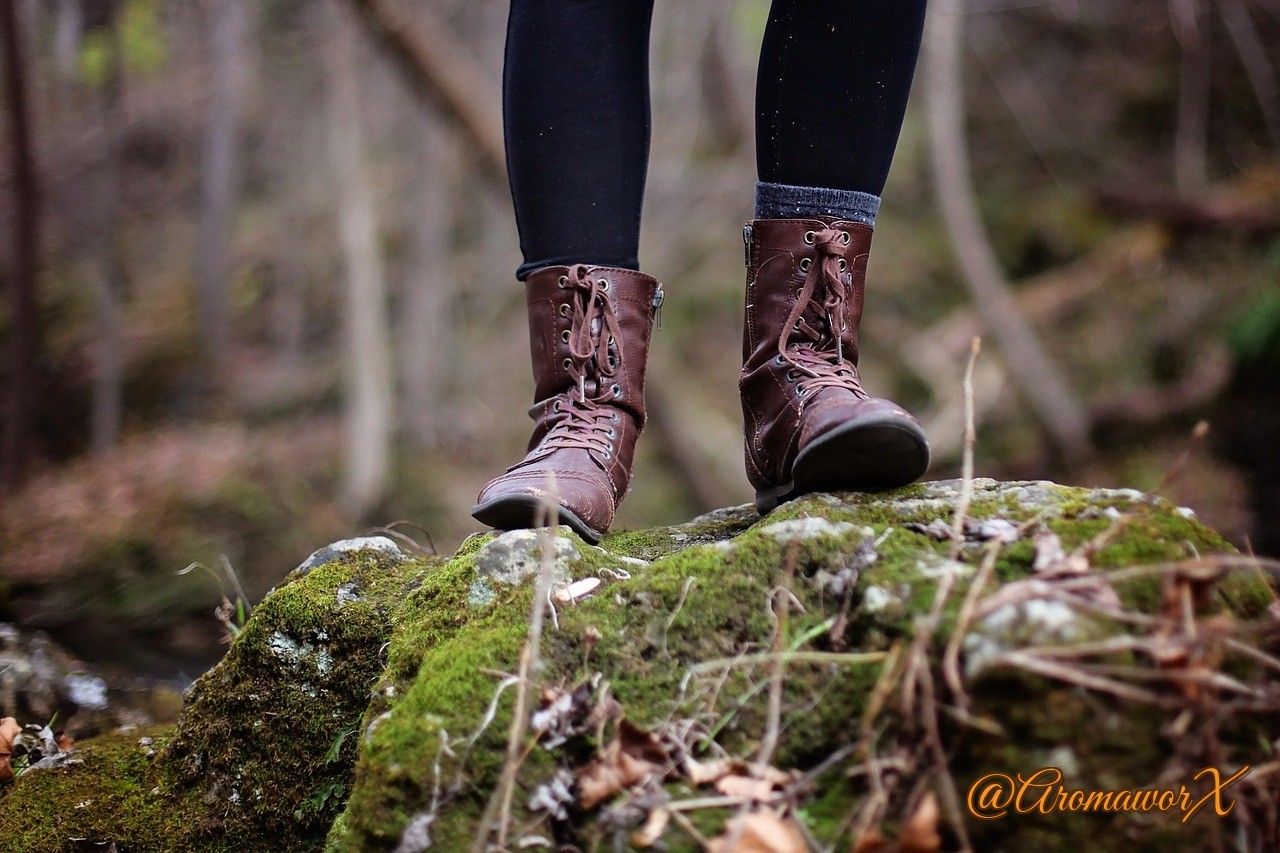
A blister is one of the smallest injuries and one of the most annoying. A new pair of boots, a long walk, a day of gardening in damp gloves, and suddenly every step is a reminder. The good news is that most friction blisters settle on their own with some thoughtful protection. The skin has its own clever bandage, and our job is mostly to avoid undoing it.
This guide covers what to do in the first hours, how to decide whether to leave a blister alone, and where gentle plant-based care fits in. It is for ordinary friction blisters in otherwise healthy adults. Blisters caused by burns, allergic reactions or unknown causes are a different matter, and we cover those below.
What a blister actually is
When skin is rubbed repeatedly, especially when it is warm and moist, the outer layers can separate slightly from the layers beneath. The space fills with clear fluid. That fluid and the roof of skin above it form a cushion that protects the tender tissue underneath. This is why the general first aid advice is to keep the roof intact whenever possible.
Step 1: Stop the rubbing
The moment you feel a “hot spot,” a warm, tender patch before the blister forms, stop if you can. Take off the shoe, dry your foot, and change or smooth your sock. Covering a hot spot early with a smooth bandage or tape may help prevent a blister from forming at all. This is often the most effective step in the whole article.
Step 2: Clean gently
- Wash your hands first.
- Rinse the area with clean, lukewarm water and a little mild, unscented soap.
- Pat dry with a clean cloth. Do not rub.
Skip the harsh scrubbing, and skip essential oils at this stage. Blistered skin is delicate, and strong aromatics can irritate it.
Step 3: Protect, and leave it intact if you can
A small blister that is not very painful is best left alone and covered. Useful options include:
- Hydrocolloid blister plasters, which form a cushioned, moist seal and can stay on for a few days.
- A “donut” of moleskin or foam, with a hole cut out so the padding sits around the blister rather than on it, covered with a bandage.
- A non-stick pad held with paper tape for blisters in awkward spots such as between the toes.
Change the dressing if it becomes wet, dirty or loose. If a plaster is peeling at the edges, trim the edges rather than tugging it off in one go.
What if it is large or has already popped?
A large blister in a weight-bearing spot may be so painful that you cannot walk comfortably. If you cannot avoid pressure on it, consider getting advice from a pharmacist or healthcare provider before draining it. Opening a blister gives germs a way in, so it should never be done casually.
If a blister bursts by itself:
- Wash gently with clean water and mild soap.
- Leave the flap of skin in place to act as a natural cover, smoothing it flat if you can.
- Cover with a clean non-stick dressing or hydrocolloid plaster.
- Check it daily and change the dressing once a day or whenever it gets wet.
Do not apply essential oils to an open or weeping blister. Broken skin absorbs more readily and is more likely to react. This is the point at which many well-meaning home remedies go wrong.
Where plant care can fit in
Once the skin is closed and no longer raw, or on the intact skin around a protected blister, a simple, gentle balm may help keep the area comfortable and supple. Traditionally used skin-friendly choices include calendula-infused oil, plain shea butter or a mild herbal salve.
A soothing foot balm for surrounding skin
Only use this on unbroken skin, never inside an open blister.
- 15 mL (1 tablespoon) of a calendula-infused carrier oil, or a plain salve base
- Up to 3 drops of Roman chamomile essential oil, which is about a 1% dilution
Stir together in a clean container and apply a thin layer around, not on, the sore area, or over fully healed tender skin. Roman chamomile has a long traditional use as a calming, gentle aromatic. You can read more in our profile of Roman chamomile. For a simpler option, leave the essential oil out altogether. The infused oil alone is perfectly good.
Safety notes for this balm
- Patch test first. Apply a small amount to the inner forearm and wait 24 hours. People with allergies to plants in the daisy family (ragweed, chamomile, calendula) should avoid it.
- Pregnancy: check with your midwife or healthcare provider before using essential oils. The plain infused oil is the simpler choice.
- Children: stick to plain carrier oil or balm without essential oils for babies and young children, and ask your healthcare provider about older children.
- Pets: cats and dogs may lick their owners’ feet or hands. Keep treated skin out of reach of pets until the balm has been absorbed, and remember that cats are especially sensitive to essential oils.
- Medication: if you take blood-thinning or other regular medication, or have a skin condition, check with a pharmacist first.
Preventing the next blister
- Break shoes in gradually. Wear new footwear for short periods before a long outing.
- Choose socks wisely. Moisture-wicking synthetic or wool socks tend to cope better with sweat than thick cotton. Carry a spare pair on long hikes.
- Check the fit. Shoes that are too tight or too loose both cause rubbing. Try shoes on later in the day, when feet are slightly larger.
- Keep feet dry. Air them at rest stops and dry between the toes.
- Pre-empt hot spots. Tape or plaster known trouble areas, such as heels, before you set off.
- Keep nails trimmed and calluses smooth, not removed.
Adding blister care to your kit
Blister plasters, moleskin, paper tape, small scissors and a few non-stick pads take up almost no room and make a big difference on a long walk. They fit neatly into the kit described in Building an Essential Oil First Aid Kit. A small tin of plain calendula salve is a lovely extra for tired feet at the end of the day.
When to get medical help
Home care is appropriate only for simple friction blisters. Seek advice promptly if:
- You see signs of infection: spreading redness, warmth, increasing pain or swelling, pus, red streaks, or fever.
- The blister is from a burn, scald, frostbite or sunburn that is large or severe.
- Blisters appear without an obvious cause, after a new medication, or in clusters.
- You have diabetes, poor circulation or reduced feeling in your feet. Even a small foot blister deserves professional attention.
- Your immune system is weakened.
- The blister keeps returning in the same place or has not improved after several days.
For more on weighing up when home care is enough, see When to Use Oils and When to Call for Help.
This article is for general information and is not a substitute for professional medical advice, diagnosis or treatment.
This article is for educational purposes only and is not medical advice. Always dilute essential oils, patch test first, and speak with a qualified health professional, especially if you are pregnant, nursing, taking medication or treating a child.
Comments